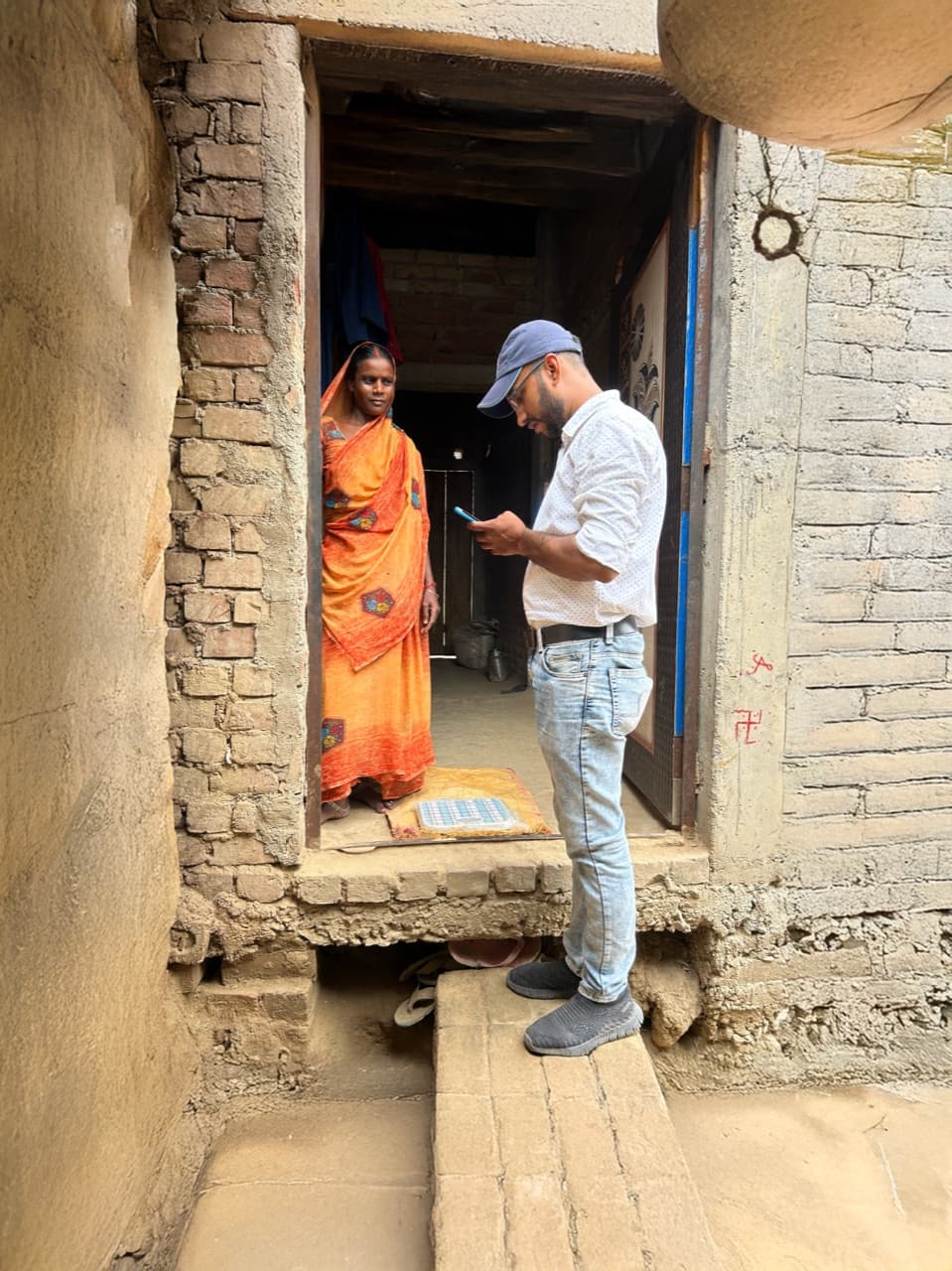
DAY01
Selection
Leap 300 InputApp-led orientation
Yoddha OutputReady to begin
The vast majority of livelihood spending flows through public systems. Civilization-scale impact therefore requires making public systems dramatically more effective — not building parallel programs at the margins.
Leap 300 works inside major livelihood systems across the largest states in India to improve their livelihood program effectiveness 3x.
 Bihar
 Uttar Pradesh
 Punjab
 Haryana
With philanthropic support, we now aim to work across major state livelihood systems throughout the Global South.
Every Yoddha follows a 300-day tech-enabled journey. Every government worker has been deeply trained on each day’s input and output — moving her step-by-step from selection to a sustained microenterprise.
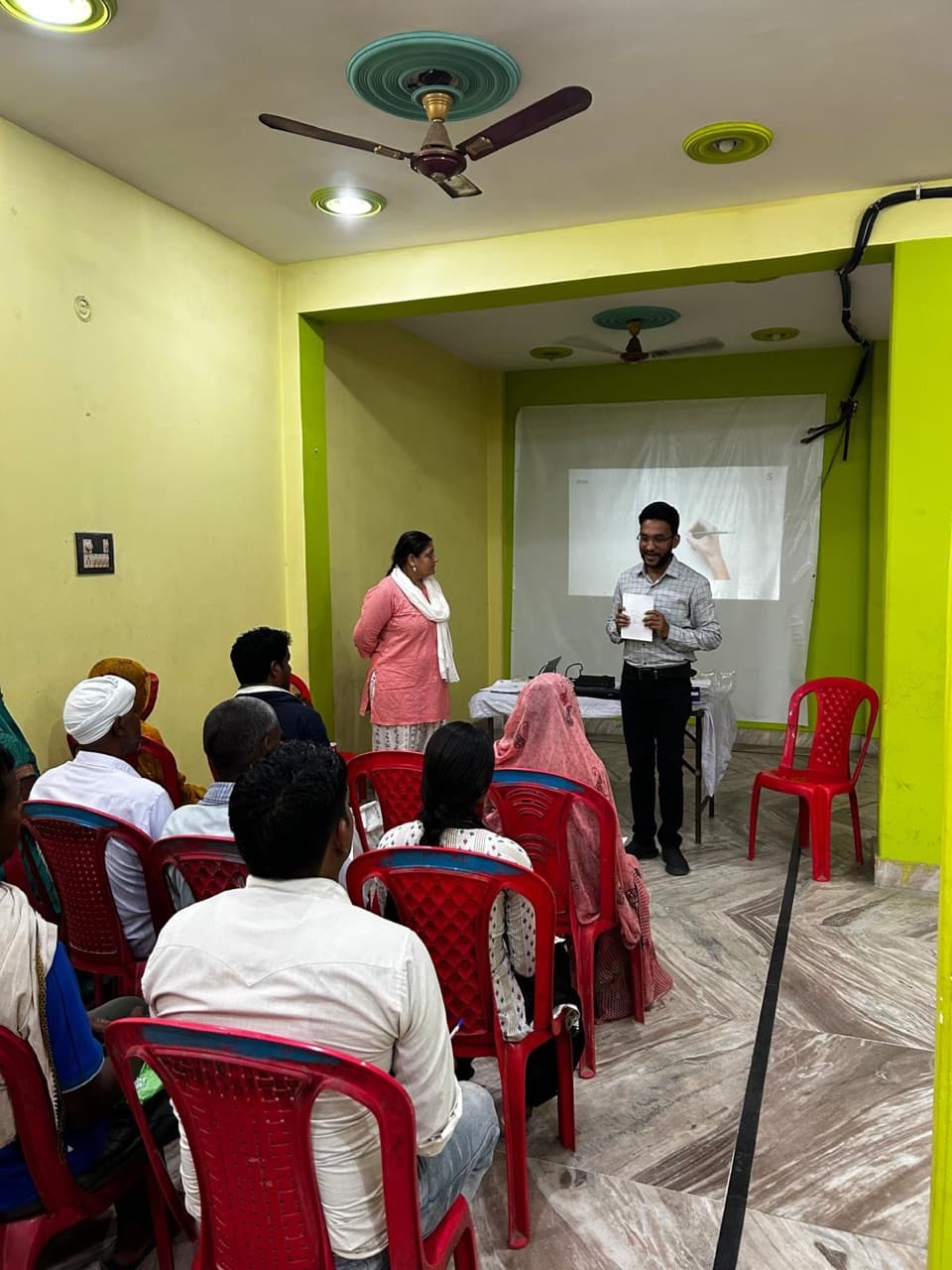
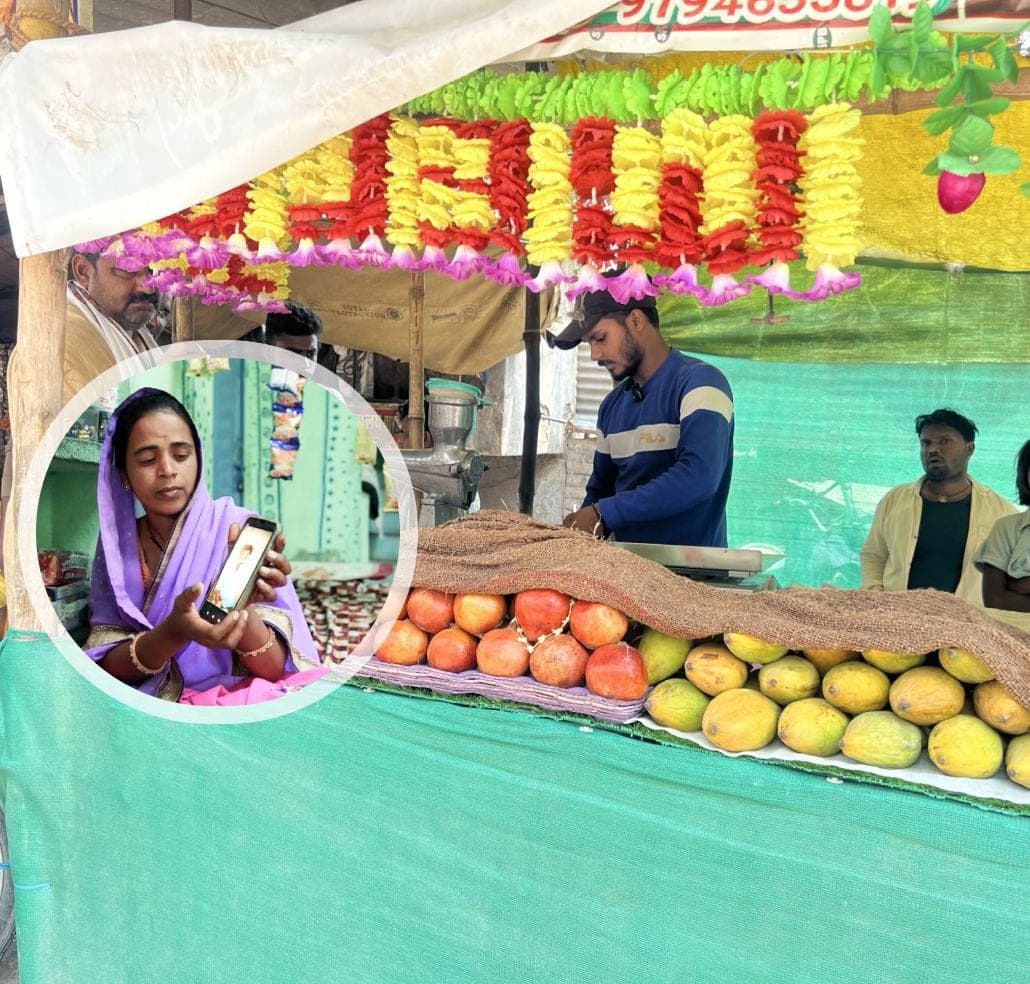
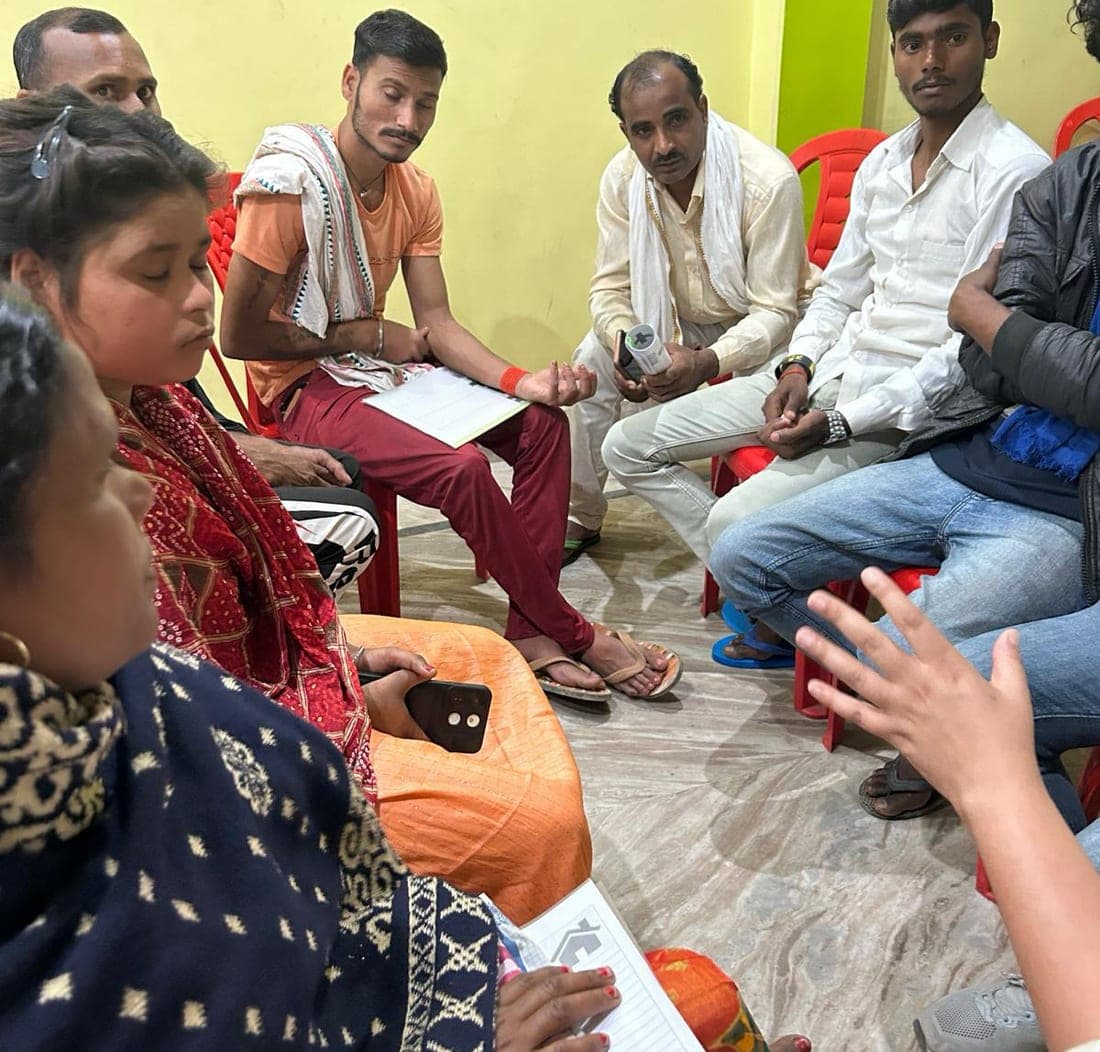
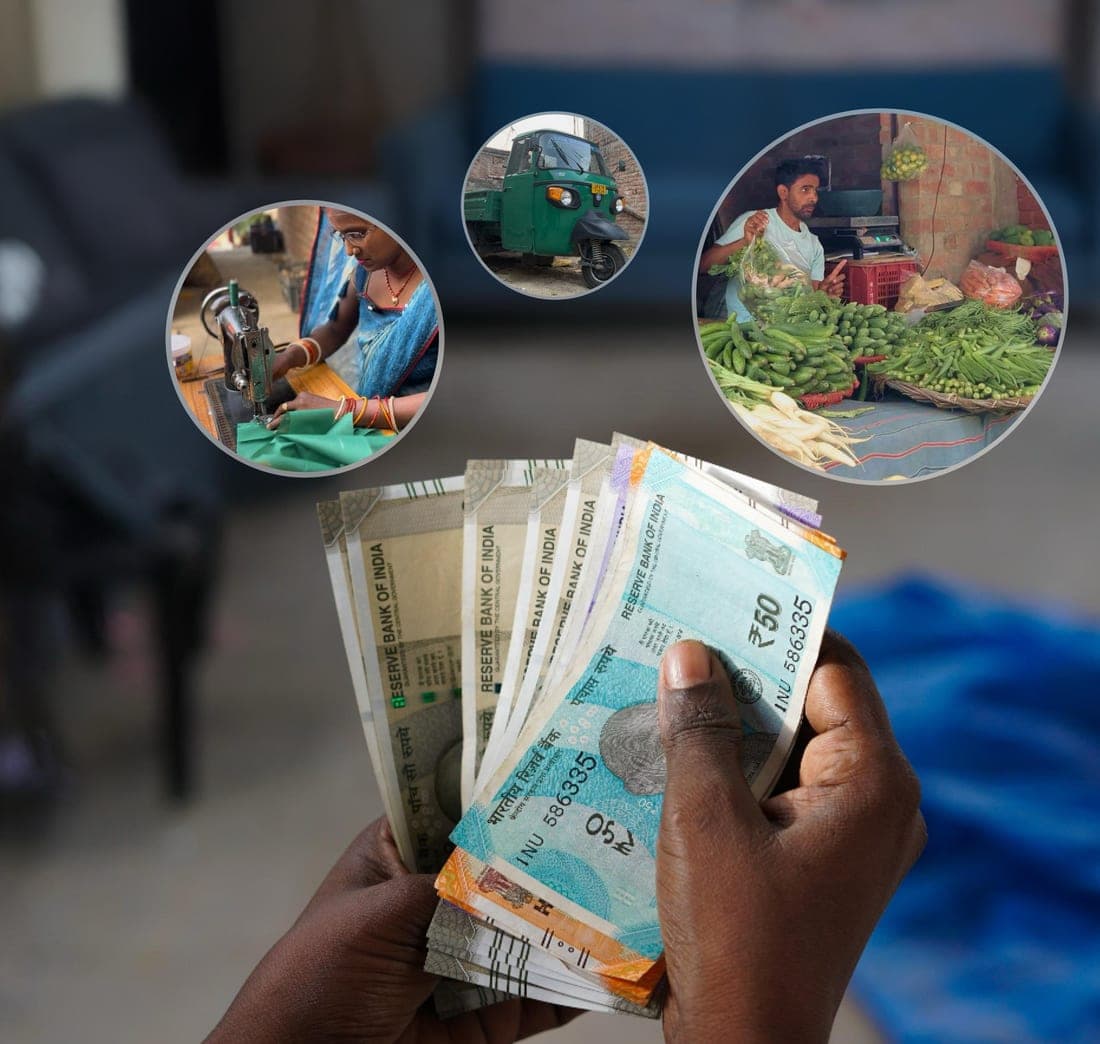
| Day | Milestone | Leap 300 Input | Yoddha Output |
|---|---|---|---|
| Day 01 | Selection | App-led orientation | Ready to begin |
| Day 04 | Training Day | Business Selection Framework + Tech Training | Business opportunity selected |
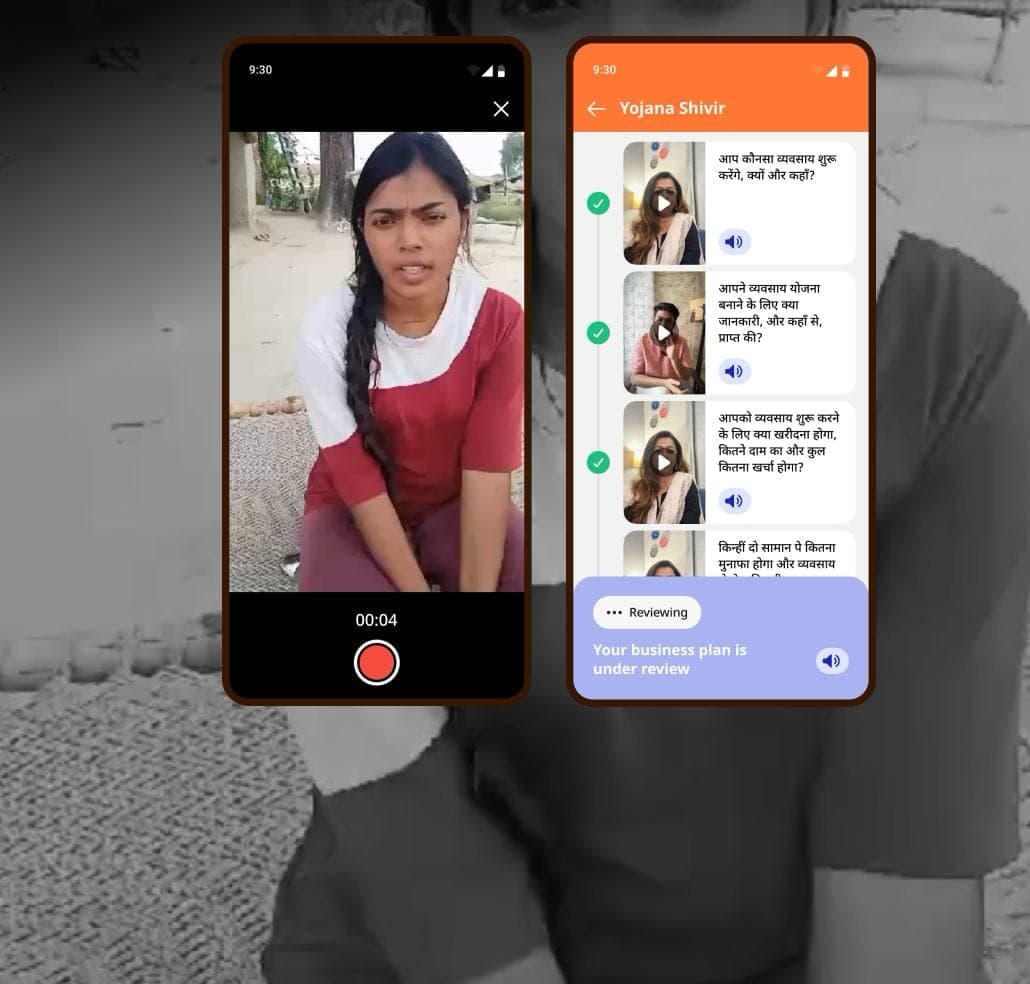
| Day 10 | Yojana Shivir | Business Plan Preparation | Video business plan submitted |
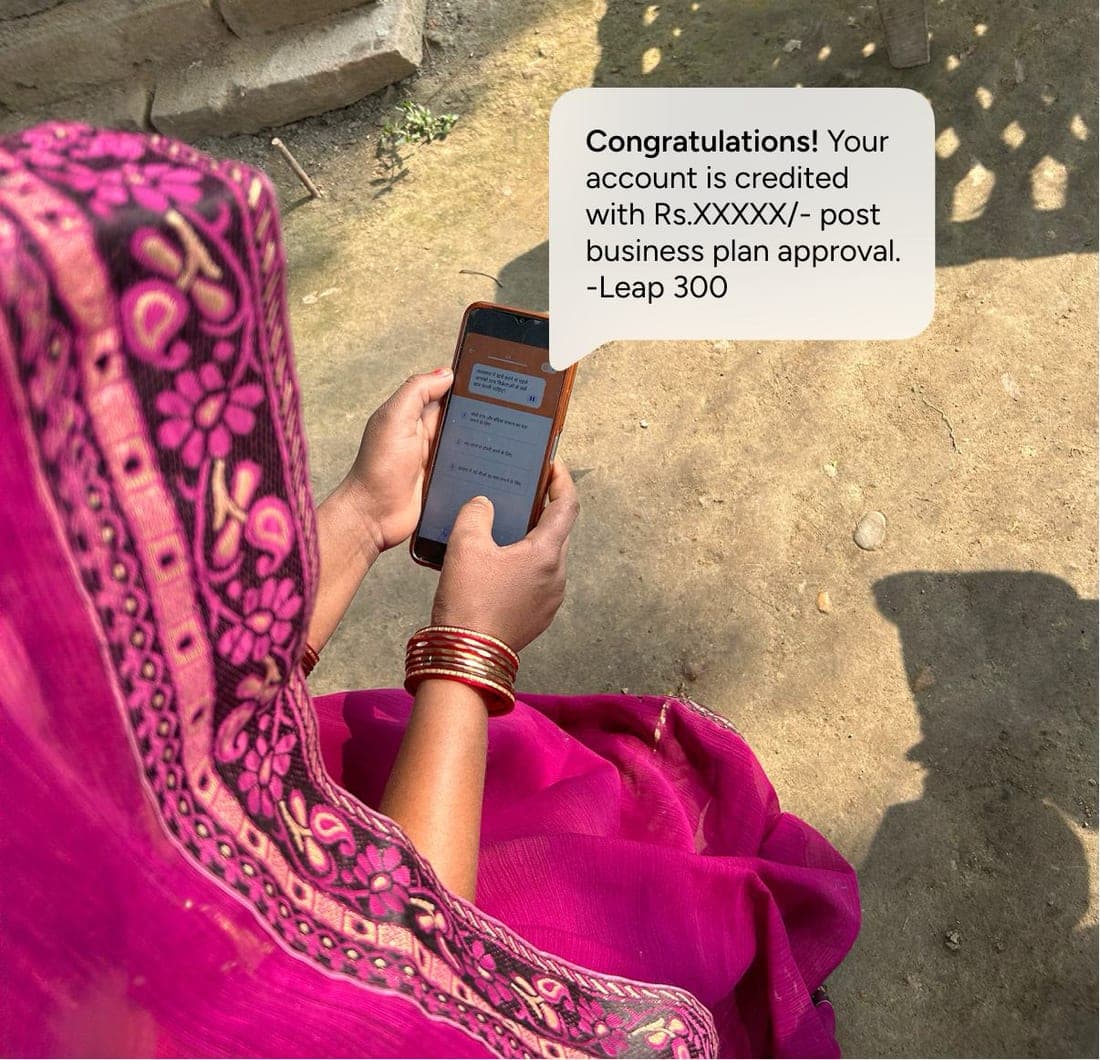
| Day 11 | Business Plan Approval | AI Evaluation | Plan approved; grant / credit initiated |
| Day 30 | Business Launch | Setup Support + Continuous AI Skilling | Microenterprise launched |
| Day 31–299 | 7 Super Sabhas | AI + Sakhi Problem-Solving | Solve. Grow. Diversify. |
| Day 300 | Graduation | Final Assessment | Sustained livelihood |
Manjeet Kaur in Munsiwala village, Sangrur, Punjab, depended on her husband’s factory wages of ₹12,000–13,000 a month. She had never run a business of her own.
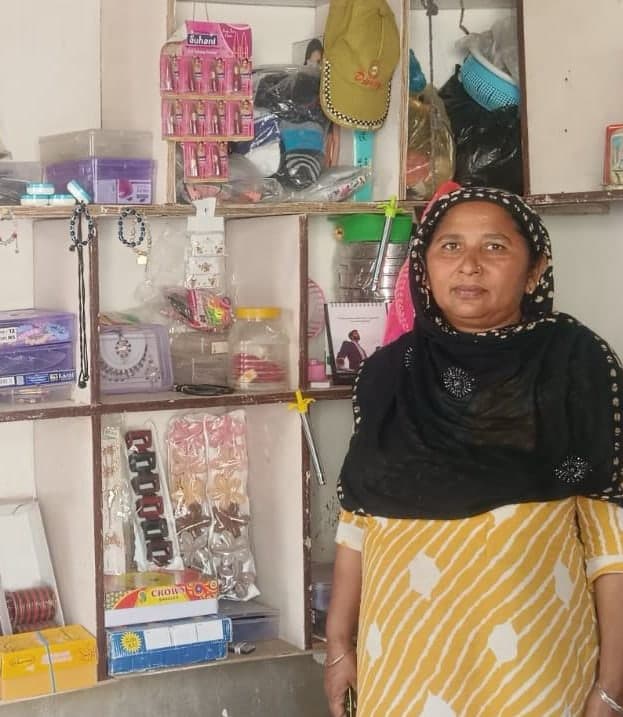
With PEHEL + Leap 300
she started a beauty parlour while her husband set up a kulcha stall, nearly doubling their household income.
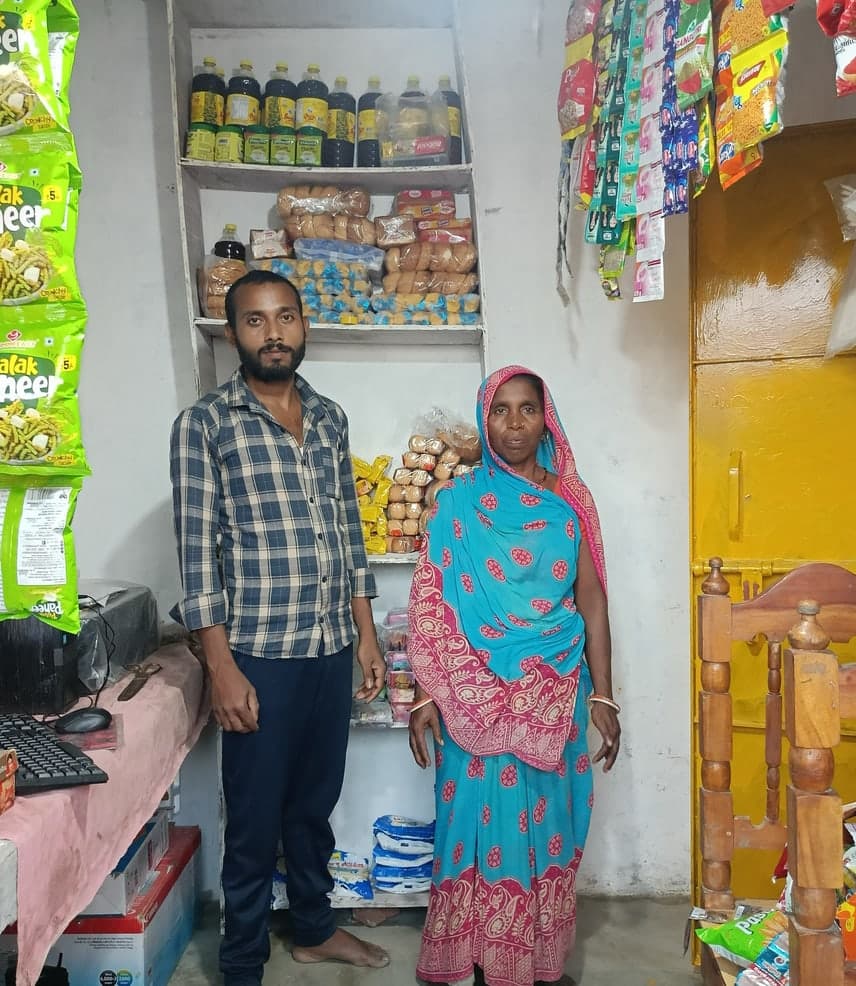
Rani Devi in Saharsa, Bihar, lost her husband to cancer in 2018. Raising five children, she earned barely ₹5,000 a month from livestock rearing and selling clay pots.
With JEEViKA + Leap 300
she opened her village’s first Common Service Centre (CSC), alongside a grocery shop.
Today, both businesses are thriving, earning ₹15,000–₹25,000 a month.
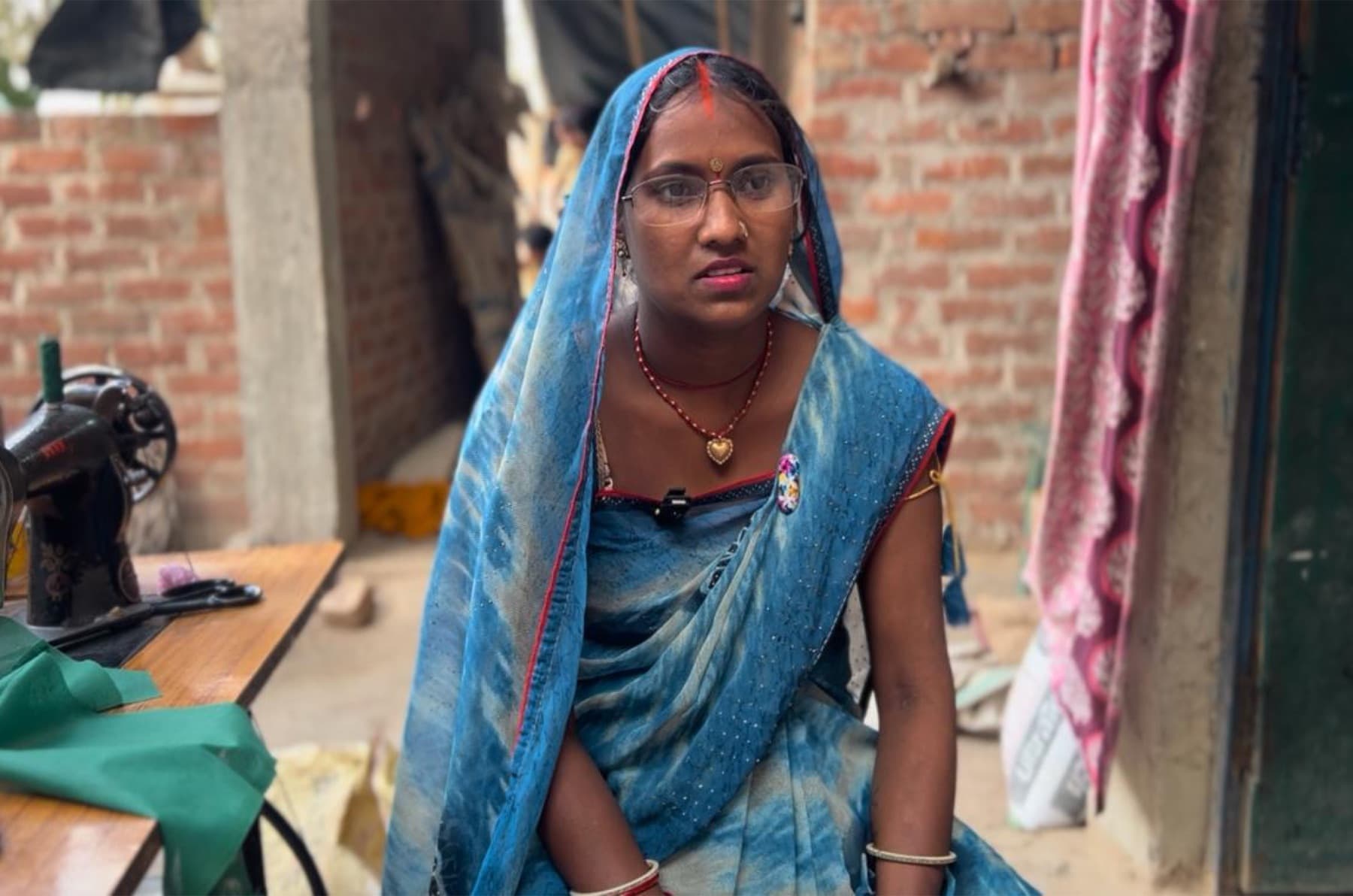
But the beneficiary decides what to build.
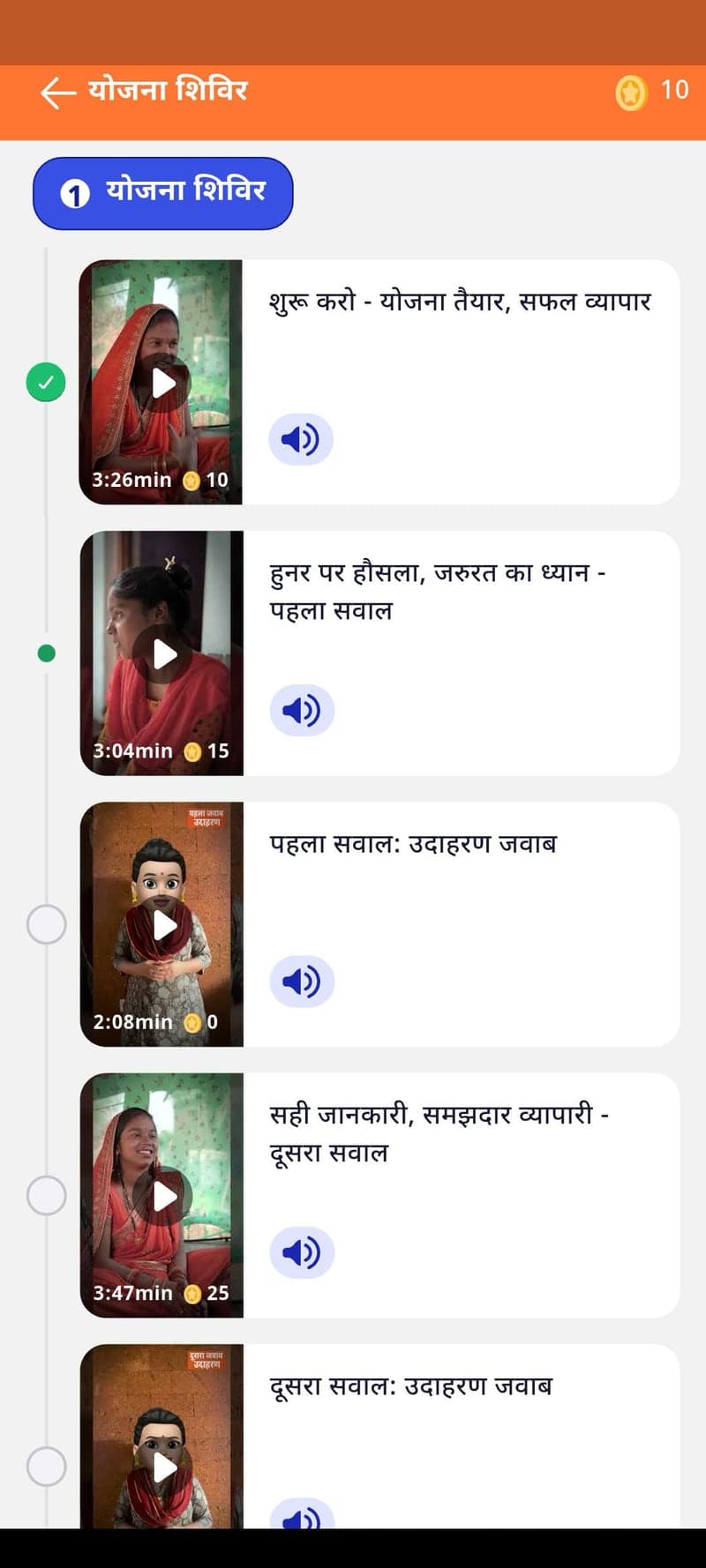
Within 7 days, she chooses a differentiated business.
Within 30 days, she launches it.
Over 300 days, she builds it into a sustained livelihood.
Most developmental technology ends at the app. Leap 300 connects digital actions to real-world execution throughout the 300-day journey.
Beneficiary actions, frontline-worker support and government workflows operate as one continuous system.
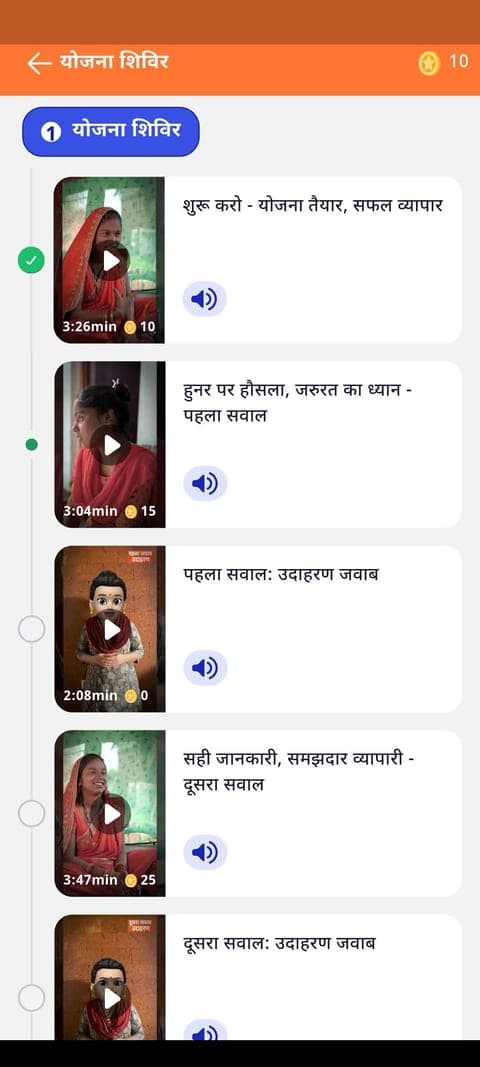
Learn
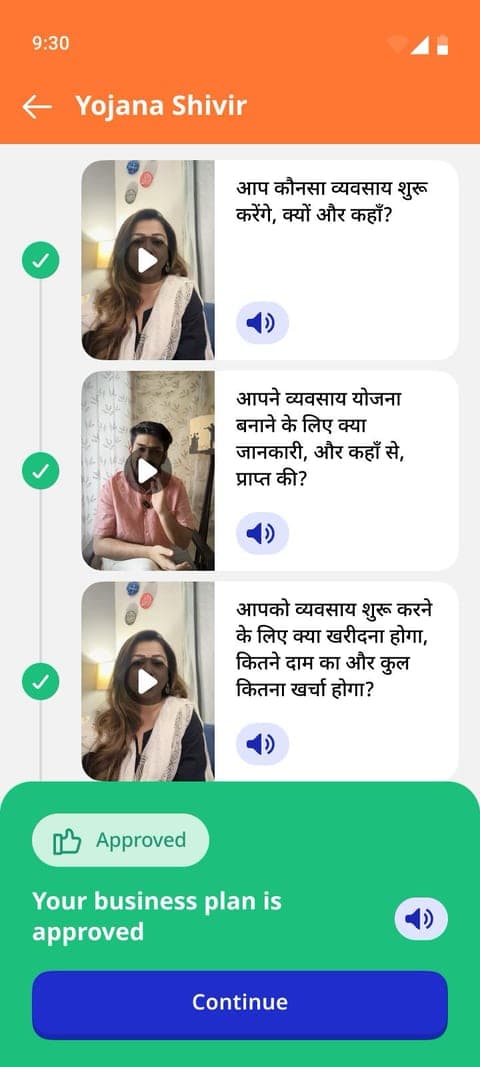
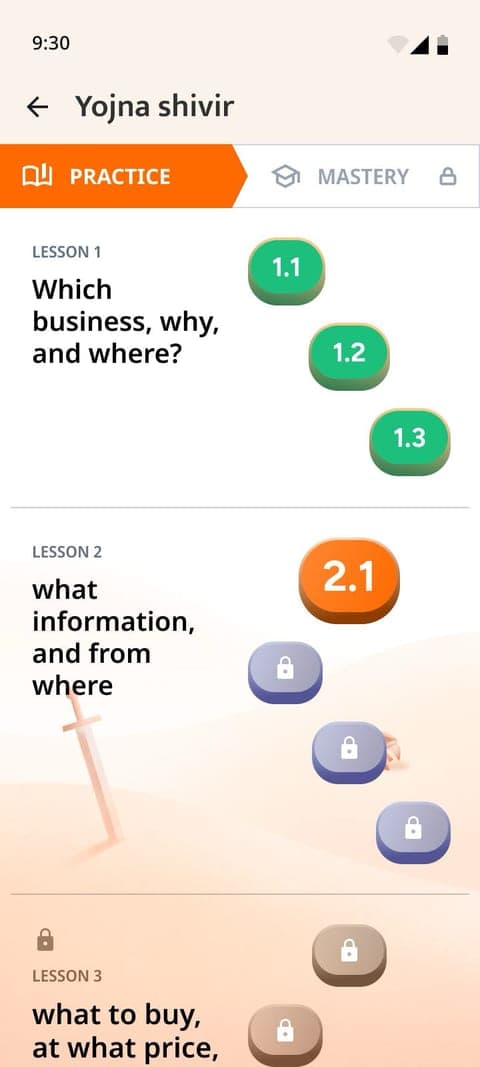
LMS teaches the 5-question business framework.
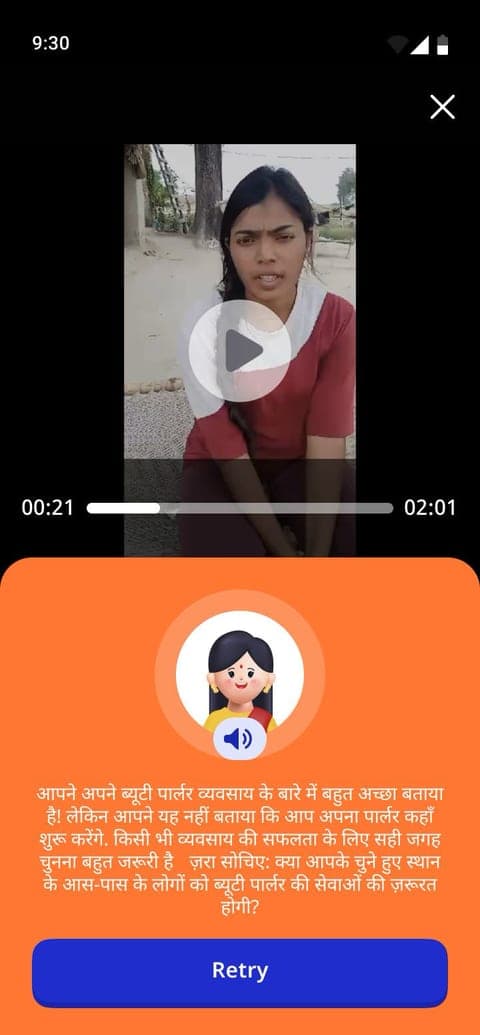
Practice
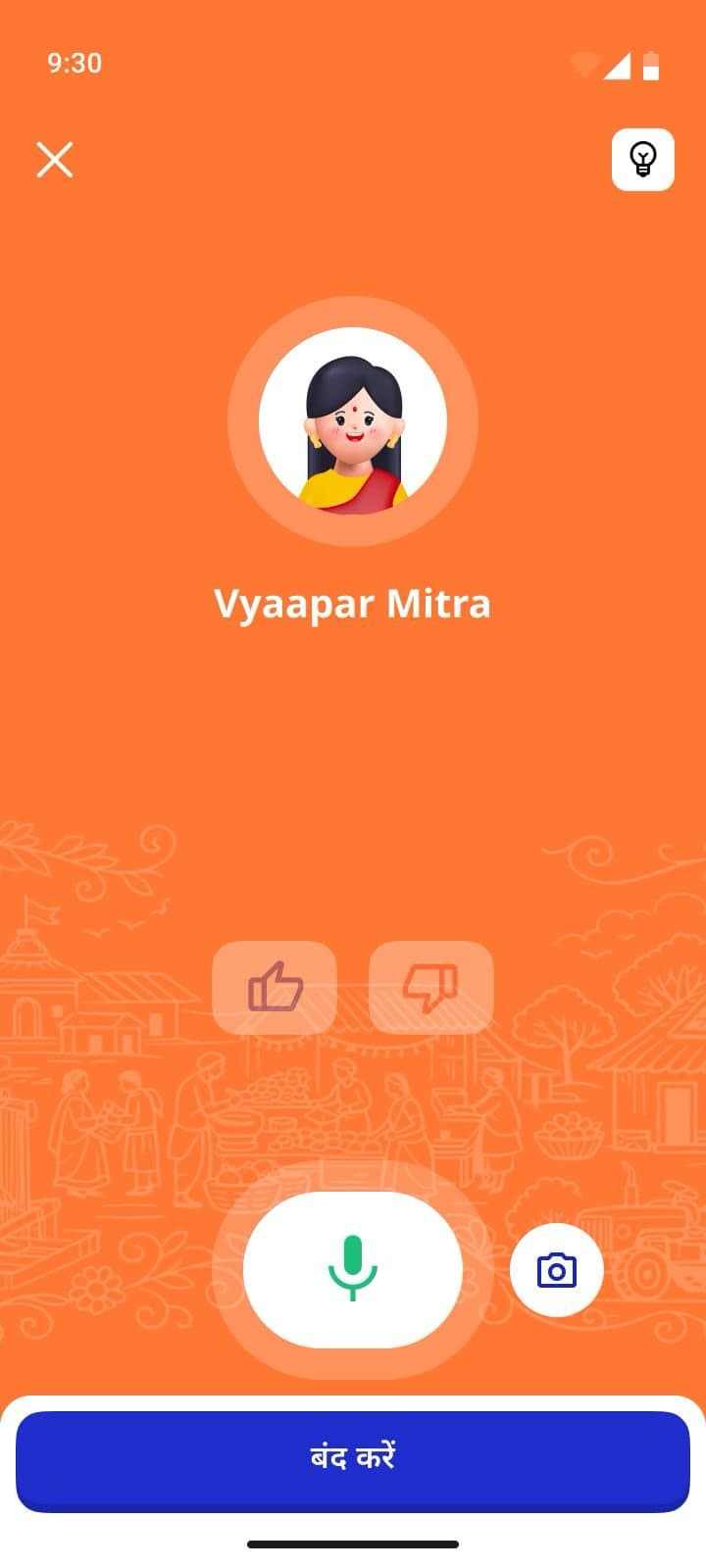
AI Vyapar Mitra helps sharpen the business plan.
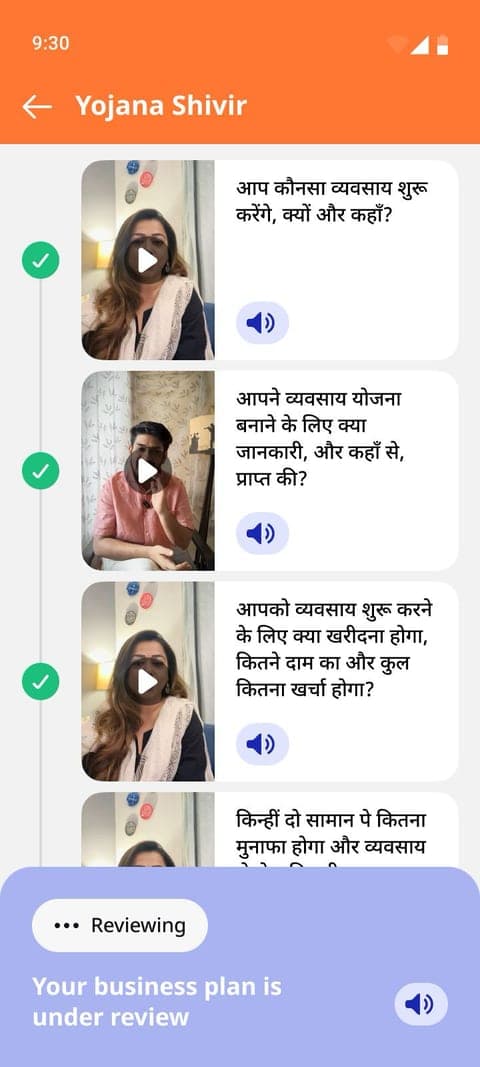
Submit
The beneficiary submits her video business plan in the app.
Evaluate
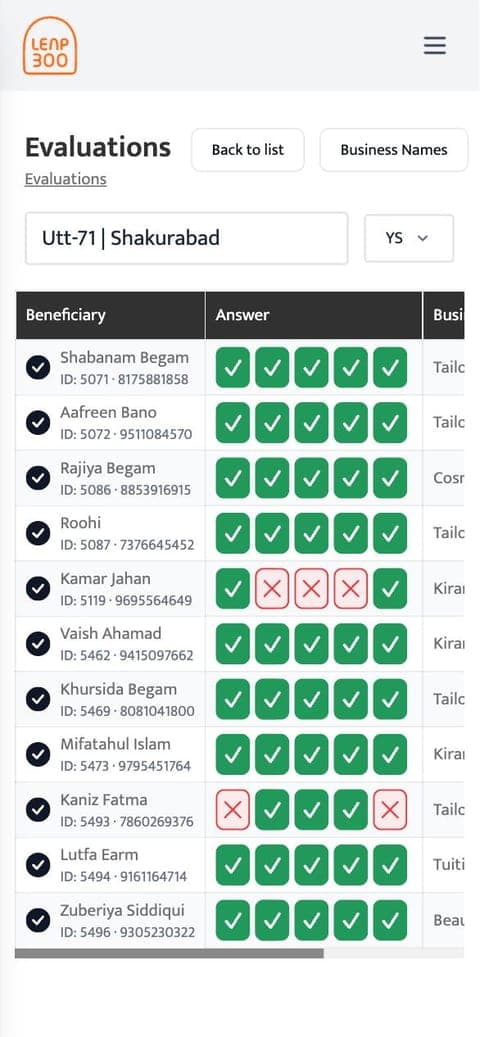
AI + government workflows assess the submission.
Real-World Outcome
Grant, credit or asset transfer is released.
Learn
LMS trains her to guide the beneficiary.
Support
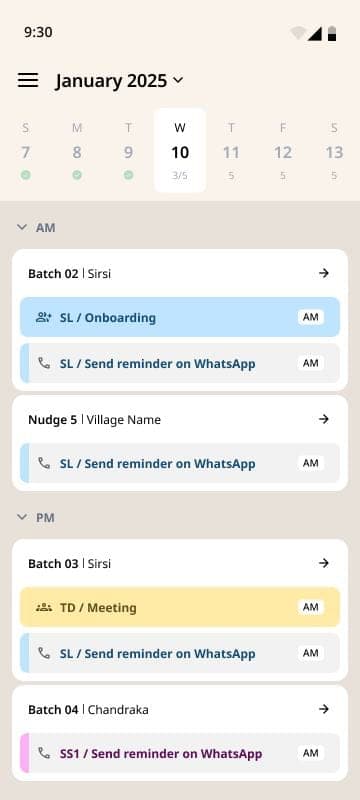
She helps the beneficiary complete the milestone in the field.
Track
Completion is recorded in the app.
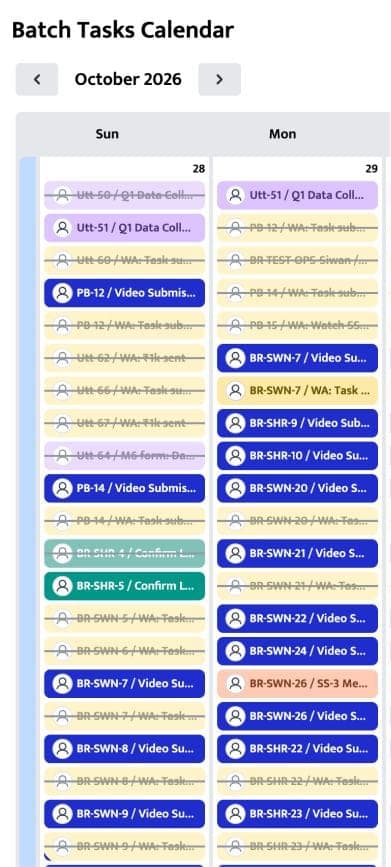
Verify
Supervisors can see and assess performance.
Real-World Outcome
Incentives are released against verified work.
One digital + human operating system.
Programs can look strong at launch. Scale reveals whether the outcomes last. Leap 300 is built around one question: Is this livelihood becoming more likely to sustain?
Microenterprise choice is the first leading indicator. Across our data, differentiated businesses built around unmet local demand show roughly 2x higher long-term success than oversupplied categories such as livestock.
Probability of Long-term Success
Local Services
Mobile Repair
91%
Food Services
Momo Stall
90%
Differentiated Retail
Footwear
85%
Regular Retail
Kirana
80%
Animal Husbandry
Goats, Cows
40%
# Differentiated microenterprises (Leap 300): BITS Pilani RCT; March 2025 Impact Report.
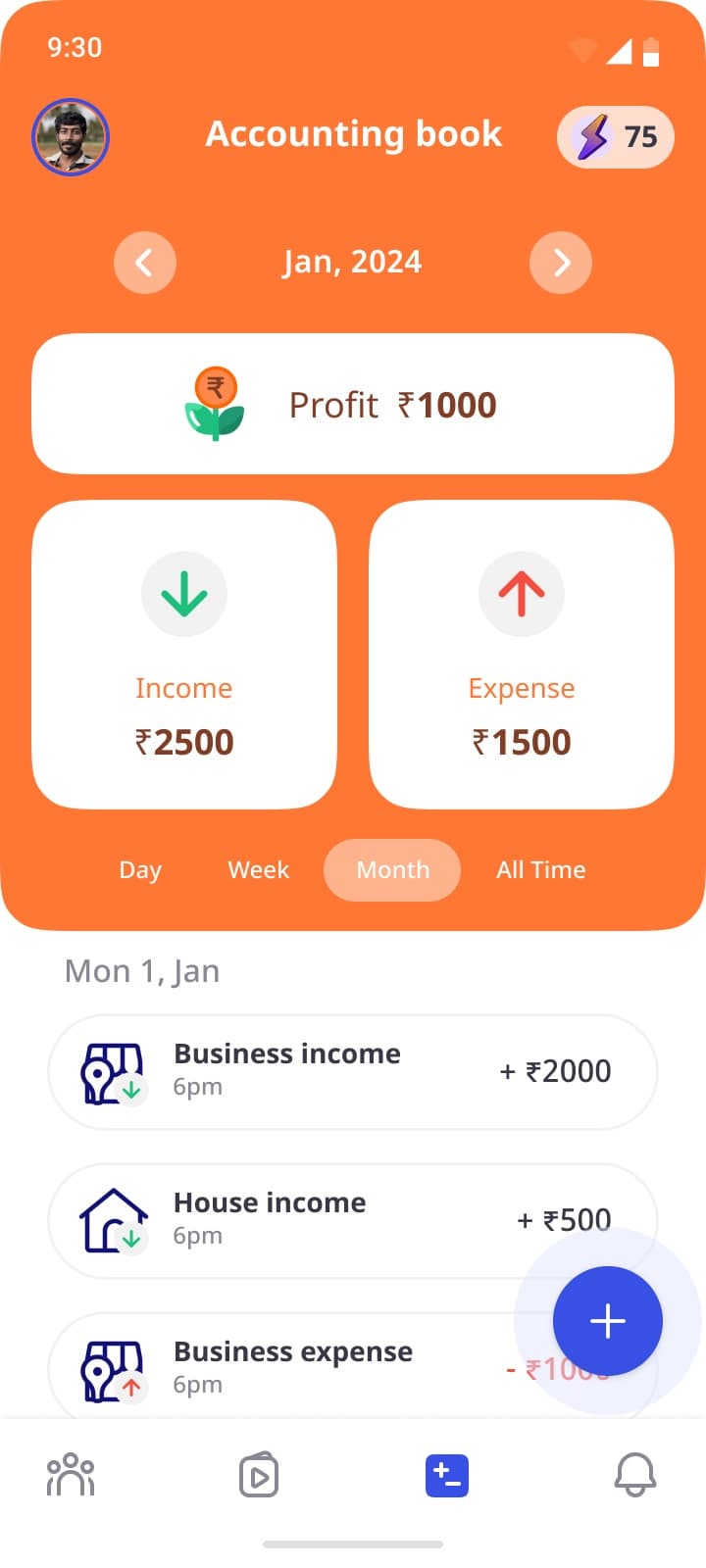
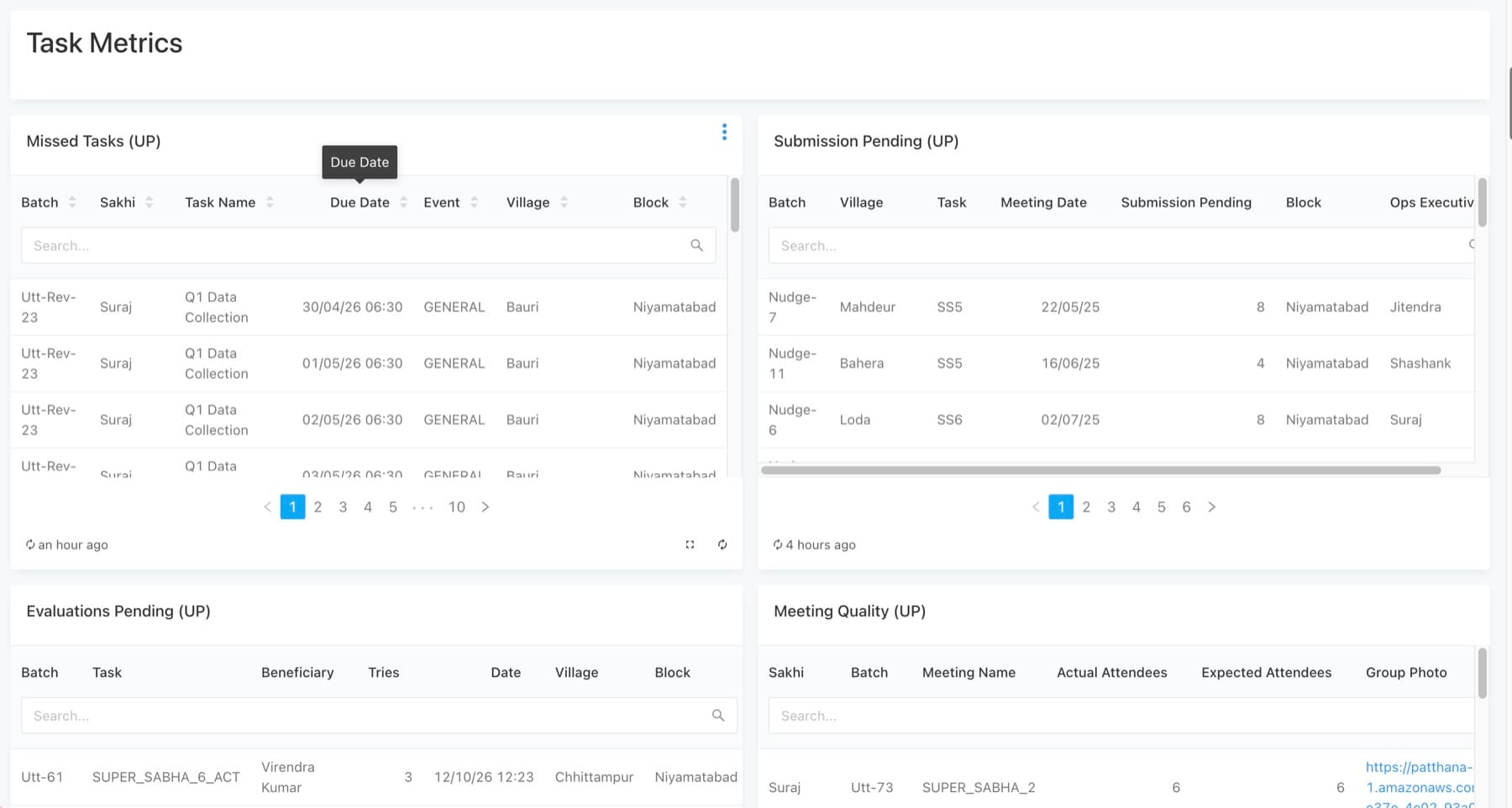
Leap 300 tracks the signals that precede graduation: LMS learning, accounting activity, business milestones, Super Sabha participation and field progress.
Together, these create a live view of each Yoddha’s trajectory — allowing the system to identify risk early and course-correct before failure.
Internal data is not enough. Leap 300 is being independently studied across states, programs and technologies through RCTs, MEL studies and field research.
Published
BITS Pilani RCT
BITS Pilani - RCT · tech + operations impact, UP
Published
Leap 300 Impact Results
BITS Pilani
coming soon
AI Impact for Microenterprises RCT
IIM Bangalore - RCT
due Jun 2027
Punjab PEHEL Credit · Leap 300 Program
Gates Foundation - MEL study
due Dec 2027
Bihar JEEViKA MMRY · Leap 300 Program
Gates Foundation - MEL study
due Nov 2026
Leap 300 White Paper
Rural consumption & microeconomy impact, UP
due Dec 2026
Bihar JEEViKA SJY · Leap 300 Program
Gates Foundation - MEL study
Today, 87% of Leap 300 livelihoods sustain beyond graduation. We measure, learn and course-correct continuously to push that number higher.